

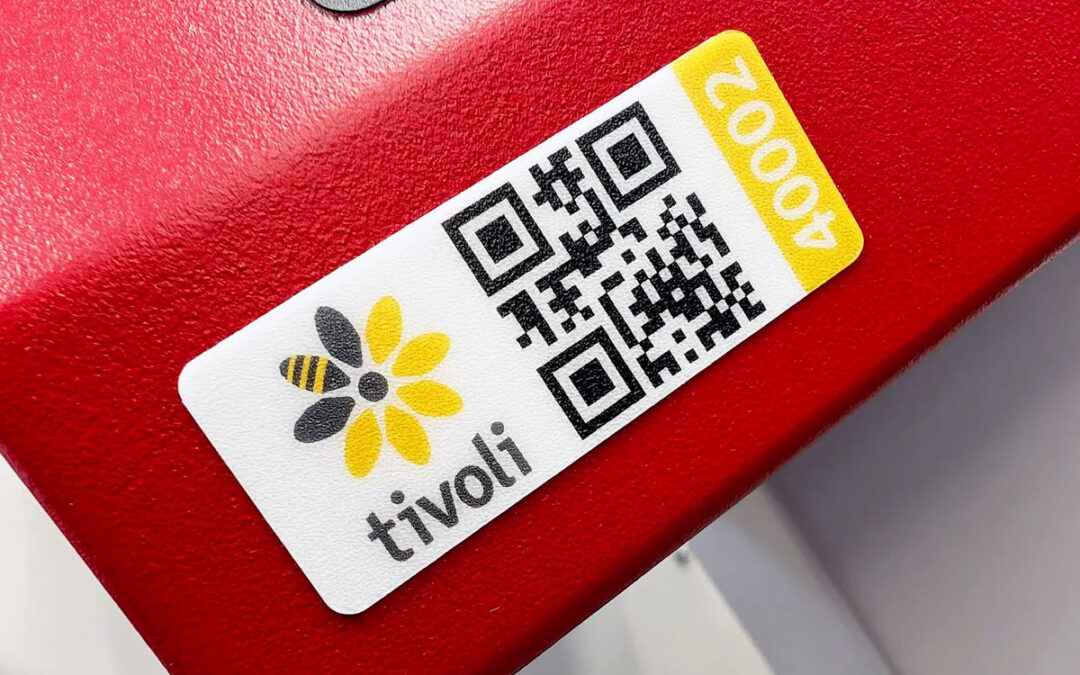
When investing in asset labels, one of the most common questions UK businesses ask is: how long will they actually last? The answer depends on several key factors, including materials, environment, and the level of quality control during manufacturing.
In many cases, a well-made asset label should last for the full lifetime of the asset it’s applied to—but only if it’s designed for the conditions it will face.
What Impacts the Lifespan of Asset Labels?
Asset labels are exposed to a wide range of stresses depending on their application. Over time, lower-quality labels may fade, peel or become unreadable. The main factors that affect durability include:
- Environmental exposure – UV light, rain, and temperature changes can degrade materials
- Chemical contact – Cleaning agents, oils, and solvents can damage print and adhesives
- Physical wear – Abrasion, scratches, and general handling can reduce readability
- Surface type – Rough or uneven surfaces can weaken adhesion
For industries such as construction and healthcare, these challenges are part of daily operations—making durability a critical consideration.
Choosing the Right Materials
The material used is one of the biggest determinants of how long an asset label will last.
- Standard polyester or vinyl labels are suitable for low-risk indoor environments, but may degrade over time
- High-performance labels, such as those made with polycarbonate, provide superior resistance to impact, chemicals, and wear
Premium asset tags often incorporate a thick protective layer that shields the printed information underneath. This ensures that barcodes, QR codes, and text remain legible even after years of use. A basic form of this is a laminate, but this is no where near as durable as an under-surface printed tag such as our Ultimate Asset Tag. This eliminates the risk of delamination & substantially increases the resistance to abrasion, chemicals, and environmental exposure.
The Role of Adhesives
A label is only effective if it stays in place. High-quality asset labels use industrial-grade adhesives that create a permanent bond with surfaces such as metal, plastic, and coated equipment.
Cheaper alternatives may lift at the edges or fail entirely—particularly when exposed to moisture, heat or cleaning chemicals.
Why Under-Surface Printing Matters
One of the most important features in long-lasting asset labels is under-surface printing. This process seals the design beneath a thick, transparent protective layer, preventing direct exposure to:
- Abrasion and scratches
- Chemical cleaning agents
- UV fading
Without this protection, there is a greater chance that even high-resolution barcodes or QR codes can quickly become unreadable.
How Are Asset Labels Tested?
To ensure long-term performance, premium manufacturers subject asset labels to rigorous testing. This may include:
- Abrasion testing to simulate wear over time
- Chemical resistance testing using cleaning fluids and solvents
- Adhesion testing to verify long-term bonding strength
- Temperature and UV testing for outdoor durability
These tests are designed to replicate real-world conditions and ensure labels maintain performance throughout their lifespan.
Built for Long-Term Performance
For demanding applications, advanced products like our Ultimate Asset Tags are engineered to go beyond standard durability. With a robust polycarbonate construction and high-performance adhesive, they are designed to withstand:
- Frequent cleaning (ideal for healthcare environments)
- Heavy wear and tear on construction sites
- Exposure to harsh outdoor conditions
This makes them a reliable long-term solution where failure simply isn’t an option. They are even comparable to costly metal tags, and for most applications, they will be substantially better value for money.
Why Quality Control Is Critical
Even the best materials can fall short without proper quality control. Manufacturers that prioritise premium standards will often inspect every label, ensuring consistent print quality, adhesion, and finish.
This attention to detail helps eliminate defects and guarantees that every label performs as expected from day one.
We believe that our quality standards are second to none, checking every single label to ensure that they are up to the mark.
Our systems and processes are backed up by our ISO 9001 Quality Management accreditation. Look out for this seal of approval when looking for quality-made products.
Final Thoughts
So, how long do asset labels last? The short answer: it depends on what you choose.
Standard labels may last months or a few years, while premium, high-performance asset tags can last for the entire lifecycle of an asset—even in harsh environments.
For UK businesses, investing in durable, rigorously tested asset labels is the key to ensuring long-term reliability, accurate tracking, and peace of mind.
Recent Comments