

Almost every modern warehouse, hospital, or manufacturing facility today and you'll find labels on everything. But there's a significant difference between a label that tells you what something is and a label that tells you everything you need to know about it. That's the gap QR code asset labels are closing, and for businesses still relying on handwritten tags, basic barcodes, or spreadsheets, the upgrade is long overdue.
Why Standard Labels Fall Short
Traditional asset labels do one thing: identify. A serial number, a name, maybe a department code. That's useful, but it puts the burden of actually managing an asset (its location, condition, service history, and assigned user) on separate systems that are rarely as up to date as they should be.
The problem compounds at scale. A business with dozens of assets can manage with a spreadsheet. A business with hundreds or thousands cannot, at least not accurately. Misplaced equipment, missed maintenance windows, failed audits, and unexplained losses are the predictable result.
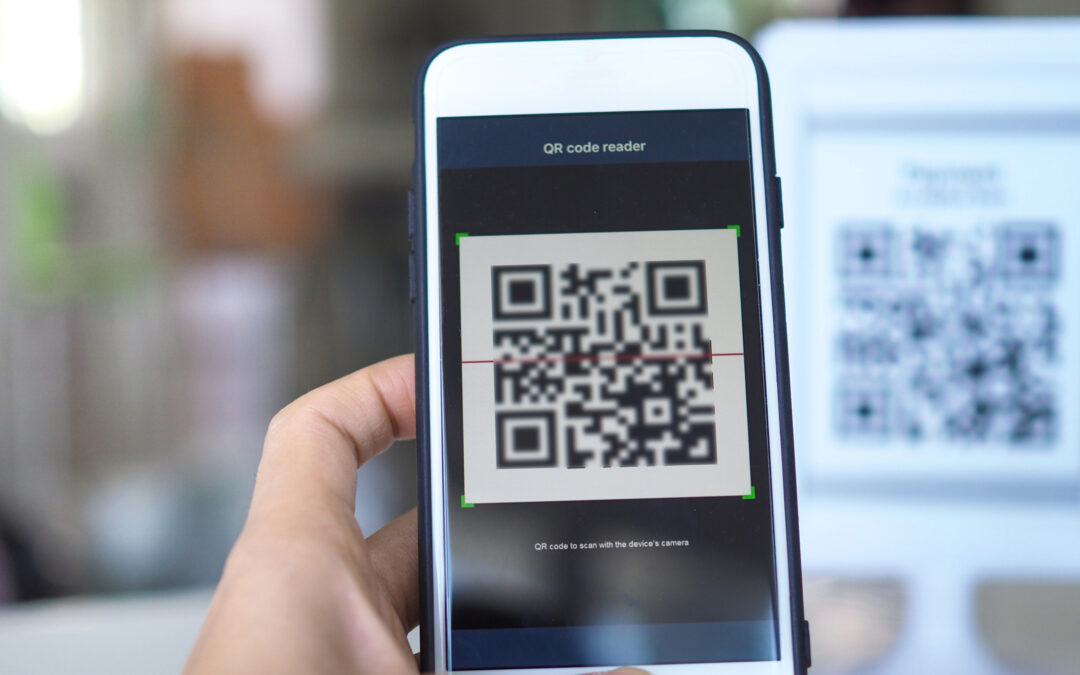
QR code labels change this by turning a physical tag into a live data point. Everything about an asset, including where it is, who's responsible for it, when it was last serviced, and whether it's due for inspection, can be accessed in seconds from any smartphone with no specialist hardware required.
What Sets QR Code Asset Labels Apart
One scan, complete picture
Unlike a barcode, which stores a limited string of characters, a QR code can carry a far richer payload or link directly to a live database record. Scan a label on a piece of machinery and you might see its full maintenance history, its calibration schedule, its assigned technician, and a link to the relevant compliance certificate. All from a two-second scan.
No specialist equipment needed
One of the most practical advantages of QR codes over older tracking technologies like RFID is accessibility. Every modern smartphone can scan a QR code natively through its camera app. There's no need for dedicated scanners, specialist software, or additional hardware investment, making QR asset labels a genuinely cost-effective solution for businesses of any size.
Built-in error resilience
QR codes include error correction by design. Even if a label is partially damaged through scratching, dirt, or wear at the edges, it can often still be scanned successfully. With up to 30% of a label compromised, a QR code frequently remains readable, which matters enormously in industrial or outdoor environments where labels take a beating.
Where Businesses Are Seeing the Biggest Impact
Warehousing and stock control
In a busy warehouse, accuracy is everything. QR code labels on products, shelving, and pallets let staff scan and retrieve stock information instantly, including quantities, batch numbers, supplier details, and reorder thresholds, without leaving the floor or consulting a separate system. Errors from manual data entry are eliminated, and stock counts that once took days can be completed in hours.
Equipment and asset tracking
Whether you're managing a fleet of vehicles, a rack of IT equipment, or a set of specialist tools shared across a team, knowing where things are and who has them is a constant challenge. QR asset labels linked to a tracking system mean every movement is logged and every check-out recorded. In industries where assets move constantly between facilities, QR tags help surface the last known position, usage history, and maintenance records at a glance.
Maintenance and calibration management
For industries where equipment calibration is a regulatory requirement, including healthcare, aviation, pharmaceuticals, and manufacturing, the maintenance record attached to each asset is as important as the asset itself. A QR label on a piece of equipment can store the full service history, the calibration due date, the reference standards used, and the name of the technician who signed it off. No paperwork, no filing, no hunting through spreadsheets before a service visit.
Compliance and audit readiness
Audits are stressful when records are scattered. QR asset labels make them significantly less so. Inspectors can scan a tag and immediately view certificates, inspection records, and compliance information, all in one place and always current. For organisations working towards ISO 55000 compliance, having accurate, accessible asset records is central to the standard, and QR labels make maintaining that standard considerably more straightforward. When regulations change, the linked data can be updated without touching the physical label.
Security and tamper detection
In high-value or sensitive environments, QR code labels can be combined with tamper-evident materials, so any attempt to remove or interfere with a tag is immediately visible. Combined with encrypted data links, this makes QR labels a genuinely useful tool for protecting assets, verifying authenticity, and maintaining access logs.
Choosing the Right Label for Your Environment
Not all QR code asset labels are the same, and the environment they'll be used in matters enormously.
Polyester and vinyl labels are the most common choice for general indoor and light outdoor use. They handle moisture, cleaning chemicals, and reasonable abrasion well, and they're available in a range of sizes and finishes.
Metal asset tags, where the QR code is laser-etched directly into the surface, are the right choice for demanding industrial environments. They won't peel, fade, or degrade in extreme temperatures or with repeated exposure to oils, solvents, and heavy wear.
Tamper-evident labels add a visible security layer, leaving a residue or a pattern on the surface if removal is attempted. These are widely used in IT asset management, laboratories, and anywhere high-value equipment needs to be protected.
The key is matching label material to asset lifecycle. A label that deteriorates before the asset does creates gaps in your records at exactly the wrong moment.
Getting Started
The practical barrier to implementing QR code asset labelling is lower than most businesses expect. Creating and printing QR codes is cost-effective, and because they can be scanned with standard smartphones, there's no need for expensive dedicated hardware. The main investment is in defining what data you want each label to surface and ensuring that information is kept current.
For most businesses, the starting point is straightforward: audit your assets, assign each one a unique identifier, decide what information needs to be accessible on-scan, and choose labels built to last in your specific environment.
If you're looking for durable, professionally produced QR code asset labels and tags, from standard polyester labels through to laser-etched metal tags, take a look at our full range.
Recent Comments