

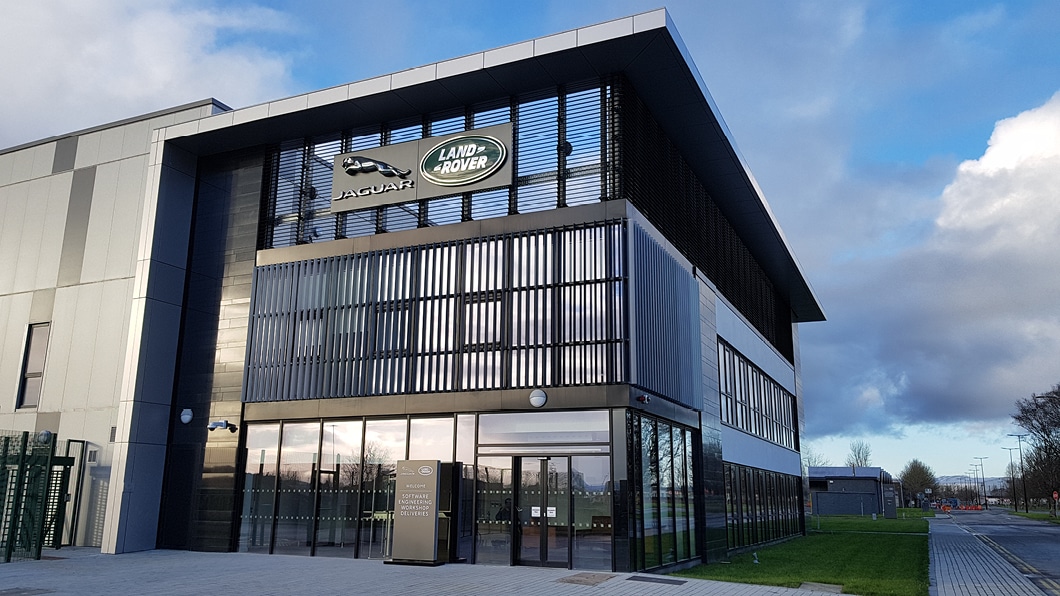
Sir Robert McAlpine has completed its work on the first phase of Agratas’ £4 billion battery gigafactory near Bridgwater and has handed delivery of the next phase to new construction partner TSL. Building One’s steel frame is complete and cladding is underway. For contractors, subcontractors and facilities teams connected to the site, a change of construction partner is exactly the moment when asset registers and equipment identification most need attention.
What’s Changed at the Bridgwater Site
Sir Robert McAlpine, the contractor that has overseen construction of Building One since 2024, has stepped back from the Agratas project after both parties agreed the next phase of the development calls for a different delivery approach. McAlpine’s role is now complete following the successful build of the first phase structure, and the firm has said it is supporting a smooth handover to its successor.
Taking over as the new construction partner is TSL, a technical engineering and construction specialist based in Gerrards Cross, Buckinghamshire, with experience delivering complex industrial and advanced manufacturing facilities across EMEA, the Americas and Asia-Pacific. Agratas has said the change reflects a review of what the next stage of the build requires, moving from primary structure into cladding, technical fit-out and services integration.
This follows an earlier change earlier in 2026, when M&E specialist TClarke stepped back from its role on the site, with fellow contractor NG Bailey absorbing much of that package. Taken together, these moves mark a shift in how the project is being delivered as it heads towards completion, with Agratas dealing more directly with a wider range of package contractors.
Why a Contractor Changeover Matters for Asset Tracking
A change of construction partner part-way through a mega-project is not just an administrative event. It is also the point at which plant, tools, temporary works equipment and site infrastructure most commonly change hands and where asset registers are most at risk of drifting out of date.
As we cover in our Asset Labelling Explained series, this is what’s known in industrial asset management as the ghost asset problem: an item that still sits on the register but no longer physically exists, or, in the other direction, equipment on site that was never properly registered in the first place. Industry estimates suggest that between 10% and 30% of business assets can drift into ghost status without active management and a handover between contractors is a classic trigger point.
The consequences of an inaccurate register reach well beyond a messy spreadsheet:
- Insurance – sums insured that include items no longer present mean paying premium on nothing, and an inaccurate register is a liability rather than a safety net when a claim is made.
- Tax – HMRC capital allowance claims and disposals depend on accurate records, and a register is the evidence base behind them.
- Audit – statutory auditors test fixed asset existence and valuation, and a register that doesn’t hold up extends audits and raises the risk of qualification.
- Capital budgeting – replacement decisions are only as good as the underlying picture of what exists, in what condition, and where.
Continuity of Compliance Through the Handover
For certain categories of equipment on an industrial site like Bridgwater; fire equipment, electrical appliances requiring PAT testing, pressure systems, lifting equipment and calibrated instruments a durable, scannable label is not simply useful, it’s how ongoing compliance is maintained. The label is the link between a physical item and its inspection record, and an item that can’t be quickly and reliably identified can’t be kept on a testing schedule. As responsibility for the site’s technical fit-out moves to a new construction partner, keeping that link intact matters as much as it did on day one.
The same logic applies to loss prevention. A clearly branded, ownership-marked label is a low-cost deterrent that makes an asset harder to sell on, while tamper-evident or destructible labels go further, removal either leaves visible evidence or destroys the label itself. During a transition between contractors, when personnel, subcontractors and equipment are moving on and off site in greater numbers than usual, this kind of visible, durable identification becomes even more valuable.
The Bigger Picture: Scale and Opportunity Remain Unchanged
None of this changes the scale of what’s being built two miles from our site. Once operational, Building One alone is expected to support 2,200 direct jobs and 7,500 roles across the wider supply chain during construction, with recruitment for up to 1,600 operational positions expected to begin next year. Once fully up and running, Agratas’ Somerset gigafactory is projected to contribute more than £700 million a year to the regional economy.
At Custom Labels Ltd, we continue to specialise in high-performance labels designed for the harshest industrial environments, including EV battery manufacturing machinery, test rigs and control panels. Our Ultimate and UltraTuff asset tags are engineered to withstand heavy abrasion, chemicals and long service cycles built to survive exactly the kind of handover between contractors, package changes and site reorganisation the Bridgwater project is now going through.
Practical Steps for Contractors and Facilities Teams During the Transition
- Audit before handover – reconcile the physical asset count against the register before responsibility formally transfers to a new partner.
- Label as you go – apply durable, scannable asset tags to plant and equipment as it arrives or is commissioned, rather than retrofitting labels later.
- Keep calibration labels current – pair main asset labels with a small calibration label showing last and next test dates, so statutory testing schedules survive the changeover.
- Treat the register as a live handover document – the label-plus-register combination is the basic prerequisite everything else (tracking software, maintenance systems) sits on top of.
Frequently Asked Questions
Who is now delivering the Agratas gigafactory in Bridgwater?TSL, a Gerrards Cross-based technical engineering and construction specialist, has taken over as construction partner for the next phase of the project, replacing Sir Robert McAlpine, which completed delivery of Building One’s first phase.
Why did Sir Robert McAlpine leave the Agratas project?
Both parties agreed that a different construction delivery model was needed for the next phase, which moves from primary structure into cladding, technical fit-out and services integration. McAlpine has said its work on the first phase is complete and it is supporting a smooth handover.
What does the change mean for subcontractors and suppliers connected to the site?
Instruction routes, programme controls and handover requirements are likely to evolve as the project moves into technical delivery under a new construction partner. Suppliers, including labelling and asset identification specialists, should expect continued demand as the site progresses through fit-out and towards operational readiness.
Why does asset labelling matter during a construction partner changeover?
A change of contractor is one of the points at which plant and equipment most commonly change custodianship, making asset registers vulnerable to drifting out of date. Durable, scannable labels keep equipment identifiable and its compliance history intact regardless of who is managing the site.
Get in Touch
For manufacturers, subcontractors or facilities managers connected to the Agratas project, or any large-scale industrial site going through a contractor transition, reliable labelling is not optional, it’s essential. Custom Labels Ltd is here to provide expert guidance and high-quality, durable identification solutions built for real-world industrial use.
Look out for Part Two of our Asset Labelling Explained guide series, covering ghost assets, compliance requirements and practical labelling strategy for organisations managing large or distributed equipment estates.
Recent Comments